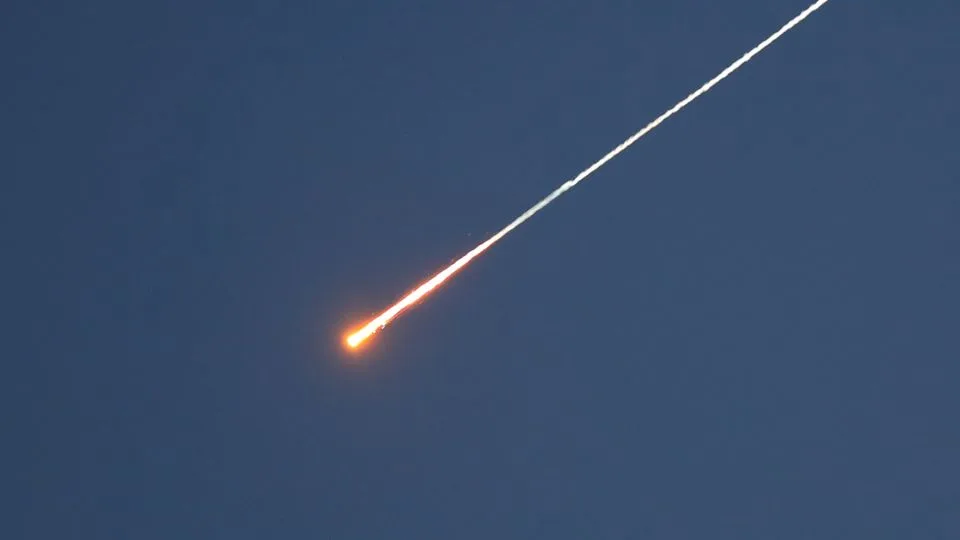

Yemen’s Iran-backed Houthi rebels officially entered the regional conflict Saturday, launching a missile strike against Israel and threatening to shutter the Bab al-Mandab Strait. The move signals a major escalation that could paralyze global trade and destabilize energy markets already reeling from regional volatility.
The Houthis, formally known as Ansar Allah, represent Yemen’s Zaidi Shia minority. Having seized the capital, Sanaa, and much of the Red Sea coastline following the 2011 Arab Spring, the group has evolved into a key pillar of Iran’s “Axis of Resistance.”
The Threat to Global Commerce
The most immediate danger lies in the southern entrance of the Red Sea. The Bab al-Mandab Strait—a narrow 18-mile passage—handles nearly 15% of global maritime trade. Houthi officials confirmed Friday that closing the waterway is a “viable option” to pressure Israel and its allies.
“Disrupting traffic in the Red Sea creates immense pressure without crossing a line that triggers a direct U.S. kinetic response,” said Yemeni analyst Mohammad Basha.
The economic stakes are historic:
- Cost of Conflict: Previous Houthi disruptions between 2023 and 2025 cost the global economy approximately $20 billion annually.
- Rerouting: Major shipping firms, including Maersk, have previously abandoned the route for the Cape of Good Hope, adding two weeks to transit times.
- Energy Risk: With the Strait of Hormuz already restricted, Saudi Arabia has relied on Red Sea ports like Yanbu and Jeddah for oil exports. Both are now within Houthi strike range.
Military and Strategic Implications
While the Houthis have launched over 400 missiles and drones toward Israel since late 2023, their direct kinetic impact on Israeli territory remains marginal. However, their ability to strike merchant vessels using advanced anti-ship technology provided by Tehran remains high.
The Israel Defense Forces (IDF) stated Sunday they are preparing for a multi-front engagement. “We are taking their word and preparing to defend ourselves from that front as well,” said IDF spokesman Nadav Shoshani.
By striking Israel, Houthi leader Abdel-Malik Houthi aims to consolidate domestic support and demand compensation from Saudi Arabia for the years-long blockade on Yemen. Analysts suggest the move allows the group to restart military action without immediately inviting a full-scale ground invasion by Western or coalition forces.
As insurance premiums for Red Sea transit surge, the international community faces a familiar dilemma: allow the “Gate of Tears” to be weaponized or risk a broader naval intervention in Yemeni waters.