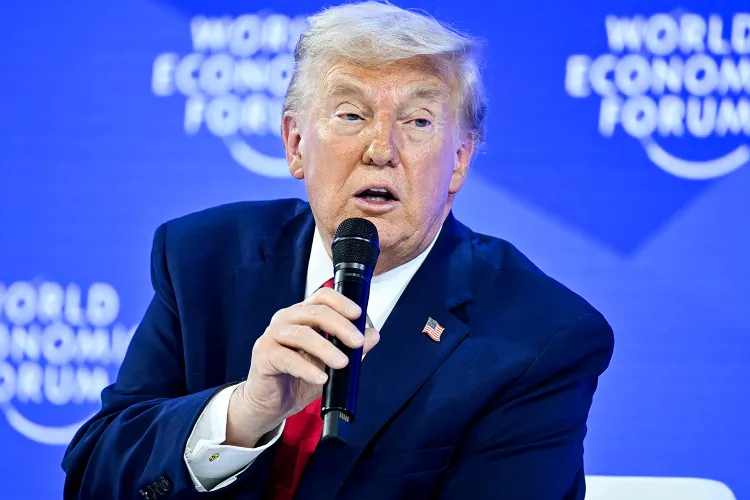

President Donald J. Trump delivered a blunt message on federal involvement in protests tied to immigration enforcement, drawing a sharp line between intervening in local unrest and safeguarding federal sites.
In his statement, Trump said he has instructed Homeland Security Secretary Kristi Noem to stay out of protests or riots in what he characterized as badly managed Democratic-led cities—unless local leaders formally request federal help. He added that any request should include the word “please.” At the same time, he emphasized that federal forces will still protect federal property and personnel, and said he has directed ICE and Border Patrol to respond “very forcefully” if those assets are threatened.
Trump also laid out what he described as non-negotiable limits during demonstrations. He warned that actions such as spitting at officers, striking vehicles, or throwing rocks and bricks at vehicles or personnel will be met with serious consequences, adding that offenders can expect equal or harsher treatment in return.
The statement pointed to a recent incident in Eugene, Oregon, where individuals allegedly broke into a federal building, damaged it, and intimidated employees while local police did not intervene. Trump contrasted that episode with an earlier situation in Los Angeles near the end of the previous administration, arguing that federal support helped stop riots and led the police chief to publicly credit the assistance.
He reiterated that state and local governments are responsible for protecting their own property and maintaining order, while also bearing responsibility—he argued—for protecting federal facilities located in their jurisdictions, including buildings, parks, and other government sites. Federal involvement, he said, should function as backup: deployed only when local officials ask for it and cannot control what he labeled agitators, insurrectionists, or anarchists. If that threshold is met, he said, the federal response will be structured and effective, citing what he described as past successes.
Trump framed the approach as consistent with the agenda he says voters supported: stronger border enforcement, national security, and a law-and-order posture. He asserted that his administration is delivering on those priorities, which he described as what Americans want.
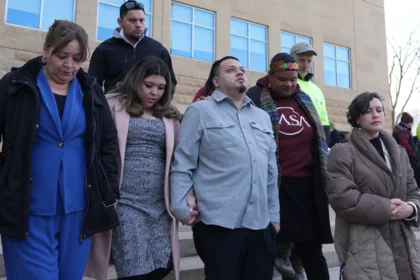
His comments come amid increased tensions following fatal encounters involving federal immigration agents in Minneapolis. According to the account referenced in the piece, an ICE officer shot and killed Renee Good, 37, during an operation on January 7, and Border Patrol agents later shot and killed Alex Pretti, 37, on January 24—incidents that helped ignite protests and demonstrations, including actions directed at federal buildings.
Trump’s message suggests a strategy aimed at limiting federal participation in local unrest unless requested, while keeping the protection of federal property as a central priority. He closed by thanking readers and restating that federal forces—ICE, Border Patrol, or the military if necessary—would respond with “extreme resolve” to prevent damage to courthouses, federal buildings, and other protected sites.