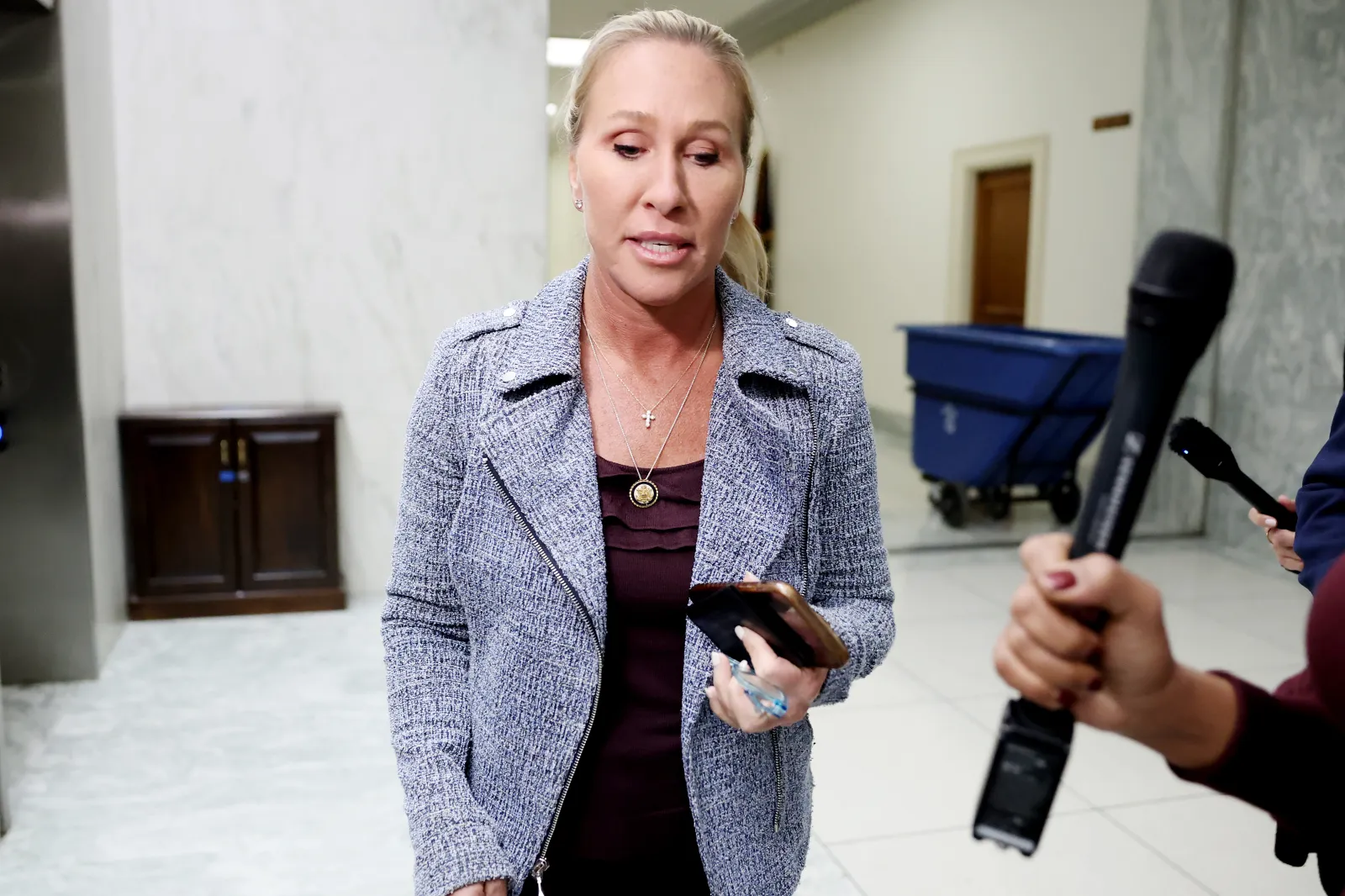

Republican Representative Marjorie Taylor Greene of Georgia has thrown her support behind supporters of President Donald Trump who are calling for a nationwide “tax revolt” in 2026, arguing that their anger toward Washington is justified as Americans grapple with soaring debt, rising living costs, and continued foreign aid spending.
Greene portrayed the movement as a backlash against decades of bipartisan policies that, in her view, have favored foreign wars, immigration, and overseas aid while neglecting the economic security of Americans at home. Her comments come as activists organize rallies and protests branded as a “tax strike,” reflecting intensifying discontent ahead of the 2026 midterm elections.
Why It Matters
Growing frustration among segments of the U.S. electorate over government spending, ballooning national debt, and foreign aid has fueled calls for coordinated tax protests. If the movement gains significant traction, it could affect public revenues and amplify debates over fiscal priorities, government accountability, and the direction of federal policy.
What to Know
Tax strike rallies are scheduled in multiple states on January 3, 2026. Organizers have promoted events on social media, including gatherings at locations such as the Oregon State Capitol, where right-leaning local figures are expected to speak. Participants say the protests are intended to oppose what they describe as fraud, waste, and a lack of transparency in government spending, while emphasizing that the actions are peaceful demonstrations demanding accountability for taxpayer dollars.
Although it is unclear which specific organizations are coordinating the effort, the movement appears to draw momentum from MAGA-aligned activists as well as conservative-libertarian groups.
Greene has amplified the effort by sharing tax strike posts on X this week, including a message declaring, “Nationwide tax strike incoming.” Her remarks echo the core themes of the movement, particularly complaints about federal debt growth, the cost of living, and funding for foreign aid and overseas conflicts.
Her endorsement comes shortly after Greene announced she will resign from Congress on January 5, 2026, ending a five-year tenure marked by controversy and close alignment with Trump. The decision followed a highly public split with the former president, who withdrew his endorsement and labeled her a “traitor” amid disagreements over foreign policy and the release of Jeffrey Epstein-related files.
Greene has framed her departure as a rejection of what she describes as Washington’s elite donor class and a political system that repeatedly fails everyday Americans. She has also warned that Republicans are “likely” to lose the midterms, citing voter disillusionment.
Trump responded to Greene’s resignation by calling it “great news for the country” in an interview with ABC News.
What People Are Saying
In a post on X, Greene wrote that many Trump voters she encounters online are “so fed up they are planning a 2026 tax revolt,” citing stagnant wages, rising costs, and government spending priorities that she says leave Americans behind. She pointed to nearly $40 trillion in national debt, unaffordable health care and housing, and a weakening dollar as evidence of systemic failure, regardless of which party controls Washington.
A Trump-supporting account, Tommy4Trump420, who is scheduled to speak at the Oregon rally, urged local residents to attend, framing the protest as a stand for taxpayer dollars, national safety, and civic engagement.
What Happens Next
How many taxpayers will ultimately participate in the proposed tax strike remains uncertain, as does whether the protests will lead to widespread noncompliance with federal tax law.
If participation is significant, the movement could pressure state and federal officials to respond to activists’ demands. Historically, large-scale tax resistance has sometimes forced policy debates or reforms, but it has also exposed participants to legal and financial risks.
Meanwhile, Greene’s departure will trigger a competitive special election in Georgia’s 14th District, with local Republican figures already maneuvering for the seat. More broadly, a rising number of congressional retirements across both parties could create additional space for protest movements and policy challenges heading into the 2026 elections.