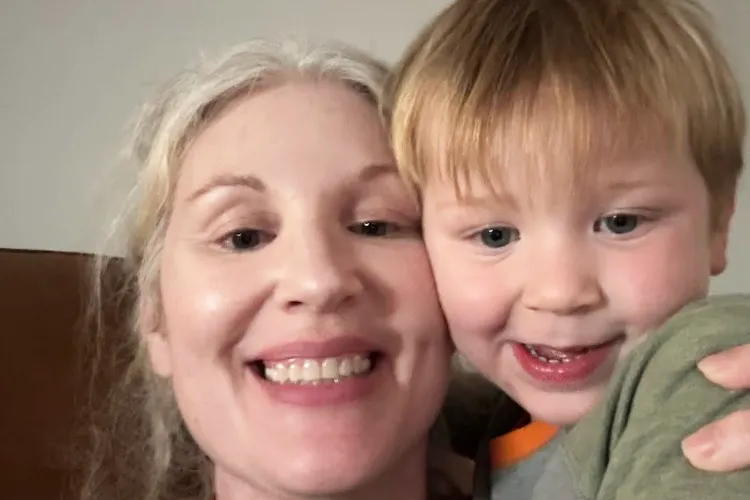

A lost phone, a rushed errand and two rounds of tears weren’t supposed to turn into a wider debate about motherhood and memory. But when Staci Michelle posted a TikTok comparing her own emotional overload to her toddler’s, the short clip quickly ignited discussion about what it means to parent while living with early Alzheimer’s.
“Although I can’t remember the specifics of that day,” Michelle, 47, says, explaining that the moment felt oddly familiar as it unfolded. “In a somehow comical way, my symptoms of early Alzheimer’s resembled my toddler’s behavioral symptoms. It was my attempt to lighten up a difficult situation.”
In the video, Michelle described how she and her son both misplaced their phones, cried, became overtired while running errands — and ultimately decided to take a nap together. She captioned the post, “Hoping being his mom and helping him grow will help me too.”
She expected the post to land as relatable and light. Instead, it drew criticism, including comments questioning whether someone with Alzheimer’s should be raising a child. Michelle says she didn’t anticipate that level of scrutiny, and believes the response may have been different if viewers understood more about her diagnosis and the support system surrounding her.
“My diagnosis has changed everything in the way I parent,” she says. While her cognitive deficits aren’t always obvious, she’s acutely aware of them. She also stresses that she isn’t navigating the disease on her own — family support means she is rarely alone. The condition, she says, is “terrifying,” and not something she likes facing by herself.
Much of the backlash centered on safety. But Michelle emphasizes that parenting decisions in her home are made collectively, not in isolation. Her toddler remains her top priority, she says, and judging someone’s capacity from a brief social media clip can distort reality.
“I am aware of my shortcomings, and as a family we respond appropriately,” Michelle says. “It’s difficult to judge someone’s parenting correctly using a seven-second TikTok video.”
:max_bytes(150000):strip_icc():focal(574x0:576x2):format(webp)/staci-michelle-kids-020326-1-e8579ac02f8d43118fa3f1b487674f5b.jpg)
She adds that the reaction hasn’t been all negative. In fact, she says the encouragement has far outweighed the criticism. Connecting with others facing similar diagnoses has helped ease the isolation that can come with Alzheimer’s — and reshaped how she sees her online community.
Michelle was diagnosed early, aided by newer diagnostic tools, and is in the first stage of the disease — known as mild cognitive impairment. She says she can still make her own decisions, care for herself and move through everyday conversations without appearing outwardly impaired.
Routine also plays a major role, along with what she describes as an unwavering support system — including the ongoing involvement of her mother and mother-in-law, who help ensure she is rarely alone. Those guardrails, she says, allow her to focus on raising her son while managing the emotional weight of the diagnosis.
More than defending her parenting, Michelle says she hopes sharing her experience expands public understanding of what Alzheimer’s can look like, particularly in younger people. She believes evolving diagnostics and treatment options could help patients sooner — and reduce stigma that often follows the disease.
“There is a stigma associated with this disease that makes it so hard to live with,” she says, especially as a mother of a young child. By speaking openly, she hopes to shift assumptions and broaden the picture people carry in their minds — one where Alzheimer’s doesn’t always match the stereotype.