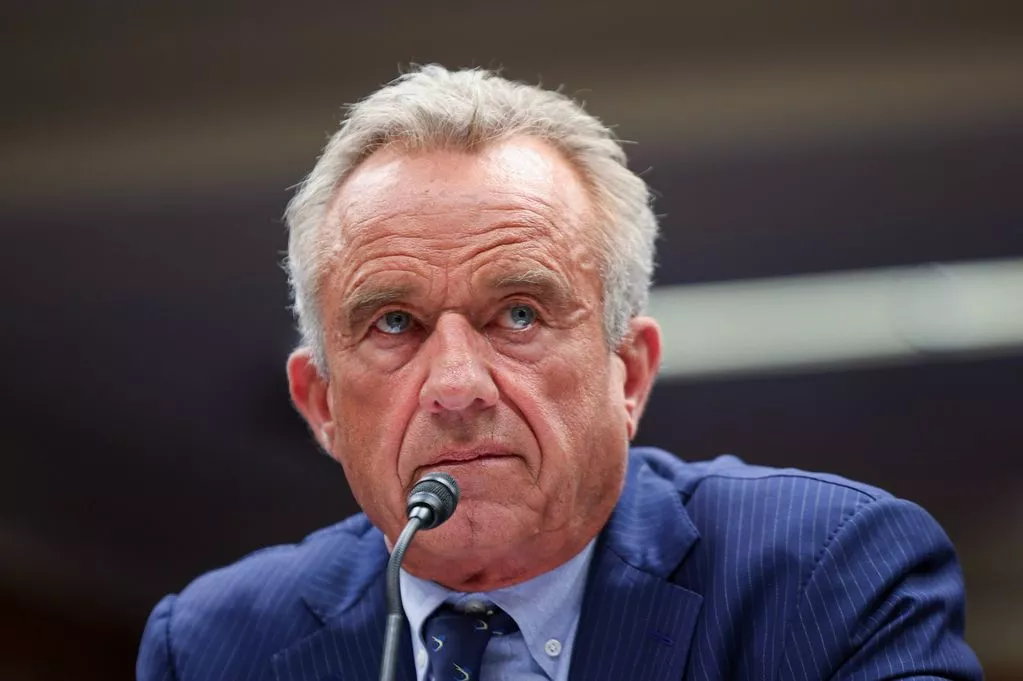

Health Secretary Robert F. Kennedy Jr. is reportedly considering the removal of all 16 members of the U.S. Preventive Services Task Force (USPSTF), a key federal advisory panel that helps determine which preventive medical services—including cancer screenings and HIV treatments—must be covered free of charge under the Affordable Care Act (ACA).
According to The Wall Street Journal, the move would mark a dramatic shift in federal health policy and could reshape how preventive care is delivered across the country. The USPSTF is composed of independent volunteer experts—physicians, nurses, and public health professionals—who evaluate medical evidence to issue guidance on screenings and early treatments for conditions like heart disease, diabetes, obesity, and cancer.
In a statement Friday, a spokesperson for the Department of Health and Human Services (HHS), Andrew Nixon, said: “No final decision has been made on how the USPSTF can better support HHS’s mandate to Make America Healthy Again.”
The task force’s recommendations carry significant legal and financial weight. Under Obamacare, most private insurance providers are required by law to cover preventive services rated “A” or “B” by the panel at no cost to patients. One of the task force’s more controversial decisions—giving HIV prevention medication PrEP an “A” rating—sparked backlash from religious conservative groups and was ultimately challenged in court.
The Supreme Court upheld the ACA provision earlier this year in a 6-3 ruling but affirmed that Kennedy, as HHS Secretary, holds broad authority over the task force, including power to appoint or dismiss members.
Tensions have escalated in recent weeks after Kennedy abruptly postponed a USPSTF meeting on heart disease prevention without explanation, leaving many task force members uncertain about their future roles.
Kennedy’s potential overhaul comes amid growing concern among public health officials. With global measles cases up more than 20% in the last year, Kennedy’s long-standing skepticism of vaccines has alarmed experts who fear the politicization of preventive health policy could undermine public trust and access to care.
The Justice Department has declined to comment on the possible firings.