
A federal judge on Friday issued a permanent injunction against the Trump administration’s restrictive media policy at the Pentagon, ruling that the Department of Defense (DoD) unlawfully penalized journalists by stripping their credentials.
U.S. District Judge Paul L. Friedman sided with The New York Times in a decisive ruling, finding that the administration’s October 2025 policy violated the First and Fifth Amendment rights of the press. The ruling comes as the U.S. remains embroiled in a significant military conflict with Iran and recent operations in Venezuela, heightening the stakes for public transparency.
“Sunlight is the Best Disinfectant”
In his 21-page opinion, Judge Friedman—a Clinton appointee—rejected the government’s argument that the rules were necessary for national security. He noted that the policy, which required reporters to sign a pledge against “soliciting” unauthorized information, effectively created a system of “viewpoint discrimination.”
“Especially in light of the country’s recent incursion into Venezuela and its ongoing war with Iran, it is more important than ever that the public have access to information from a variety of perspectives,” Friedman wrote, quoting Justice Louis Brandeis: “Sunlight is the most powerful of all disinfectants.”
The judge found the policy failed to provide “fair notice” of what constitutes a violation, leaving journalists at risk of losing access for performing routine, lawful reporting. He ordered the Pentagon to immediately restore credentials for seven New York Times journalists, though the ruling effectively vacates the policy for the entire press corps.
The Conflict at the Pentagon
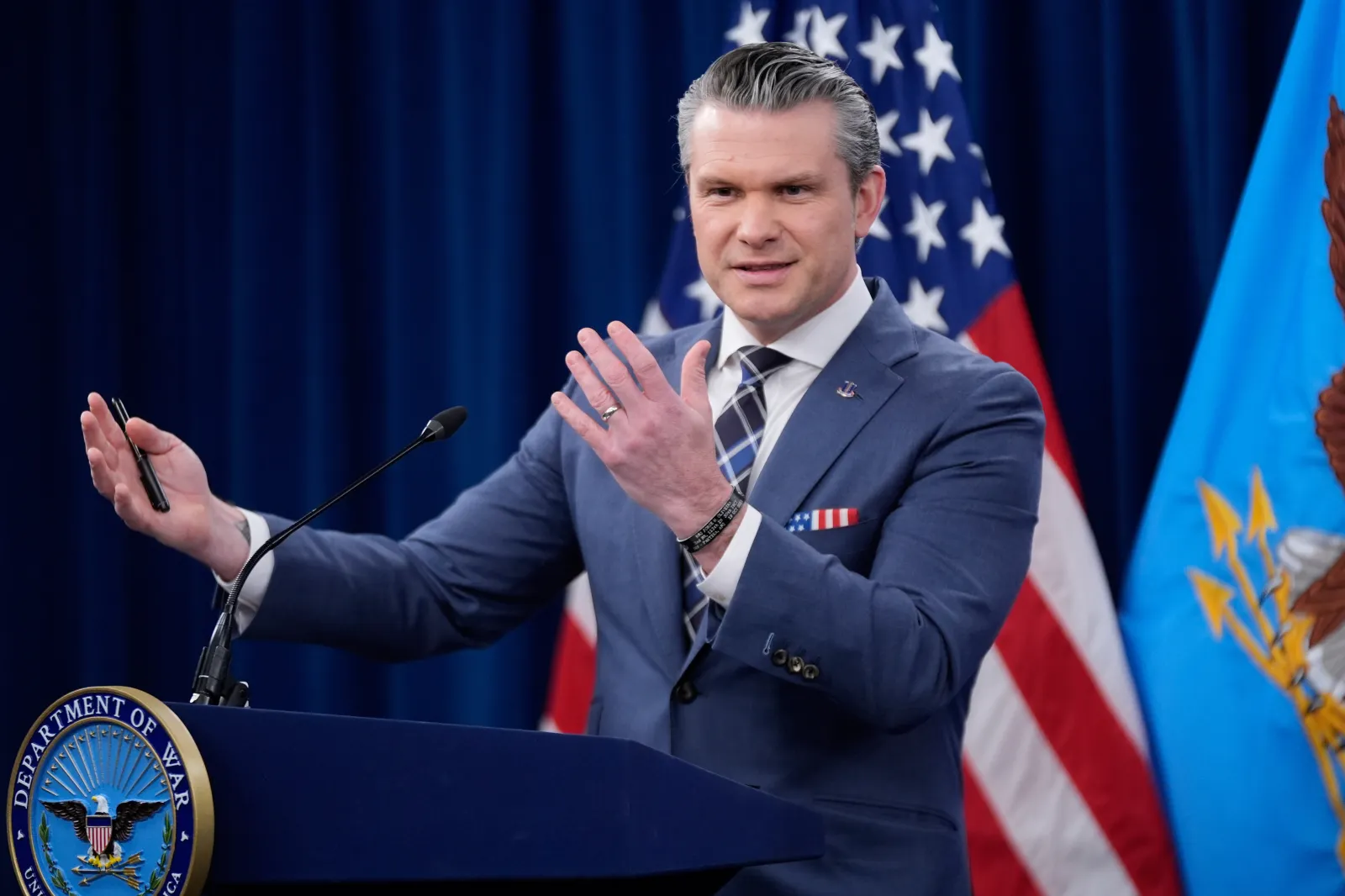
The legal battle began in December after Defense Secretary Pete Hegseth implemented rules that triggered a mass exodus of major news organizations. Outlets including the Associated Press, The Washington Post, and CNN surrendered their badges rather than agree to terms they argued criminalized investigative journalism.
Following the exodus, the Pentagon press room was largely repopulated by conservative-leaning outlets and social media personalities. The Times argued this was a deliberate attempt to “weed out disfavored journalists” and replace them with those willing to serve the administration’s narrative.
Pentagon Response
The Department of Defense maintained the policy was a “common sense” measure to protect troop safety and prevent the leak of classified data. Chief Pentagon spokesperson Sean Parnell expressed disagreement with the court’s decision on X (formerly Twitter), stating: “We disagree with the decision and are pursuing an immediate appeal.”
Why This Matters Now
The ruling arrives three weeks after U.S. and Israeli forces launched Operation Epic Fury against Iranian nuclear and military infrastructure. With the Strait of Hormuz partially closed and global oil prices volatile, the court emphasized that the American public requires independent verification of military actions taken in their name.
What’s Next: The Justice Department is expected to file an emergency stay to keep the policy in place during the appeal process. Meanwhile, dozens of news organizations that left the building in October may now seek to reclaim their permanent workstations.