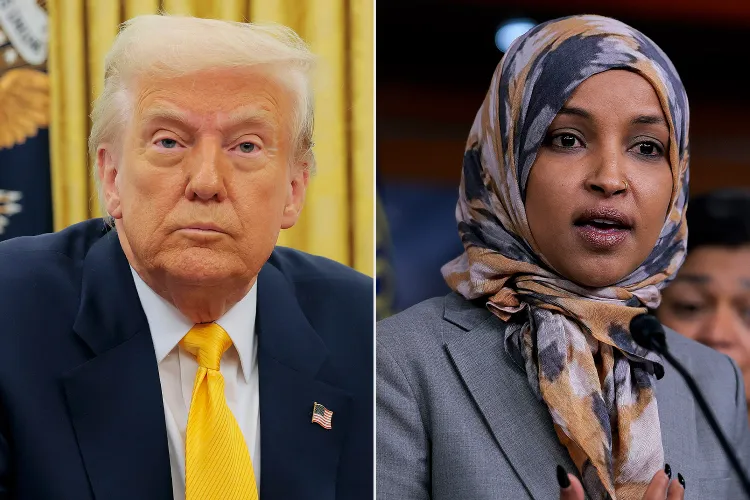

WASHINGTON — A fierce ideological battle erupted on Capitol Hill this weekend as Representative Nancy Mace (R-SC) and Representative Ilhan Omar (D-MN) traded pointed accusations over the ongoing joint U.S.-Israeli military campaign in Iran. The confrontation followed Omar’s claim that the United States “loves to strike Muslim countries” during the holy month of Ramadan, a statement Mace condemned as sympathizing with terrorists.
The exchange comes as Operation Epic Fury—a massive aerial bombardment targeting Iranian military infrastructure and leadership—continues to reshape the Middle East. President Donald Trump and Israeli Prime Minister Benjamin Netanyahu confirmed that the strikes have targeted high-level officials, with reports indicating the death of Supreme Leader Ayatollah Ali Khamenei.
Conflict Over Timing and Intent
The social media spat began when Omar criticized the timing of the strikes, which coincide with the Islamic month of fasting and prayer. Writing on X, Omar alleged that the U.S. has a history of targeting Muslim nations during the holiday, citing the 2003 invasion of Iraq as a precedent.
“The U.S. apparently loves to strike Muslim countries during Ramadan,” Omar charged, suggesting the military actions were motivated by religious bias rather than violations of international law.
Mace, a contender for the South Carolina governorship, responded with a series of blunt rebuttals. “I don’t give a s*** if it’s Ramadan,” Mace posted. “Why do you continue to simp for terrorists who want Americans and their allies dead?” Mace further accused Omar of showing “indifference” toward Israeli casualties on Jewish holidays while focusing on the timing of strikes against the Iranian regime.
Fact-Checking the Iraq Comparison
Digital observers and fact-checkers quickly noted inaccuracies in the historical parallels drawn during the exchange:
The Iraq Timeline: While Omar claimed Iraq was attacked during Ramadan in 2003, historical records show the invasion began on March 20, 2003—months before Ramadan started that year in late October.
Demographics of Iran: Community notes on social media also highlighted that while Iran is an Islamic Republic, recent surveys suggest a shifting religious landscape, with significant portions of the urban population identifying as non-religious.
Operation Epic Fury: The Strategic Reality
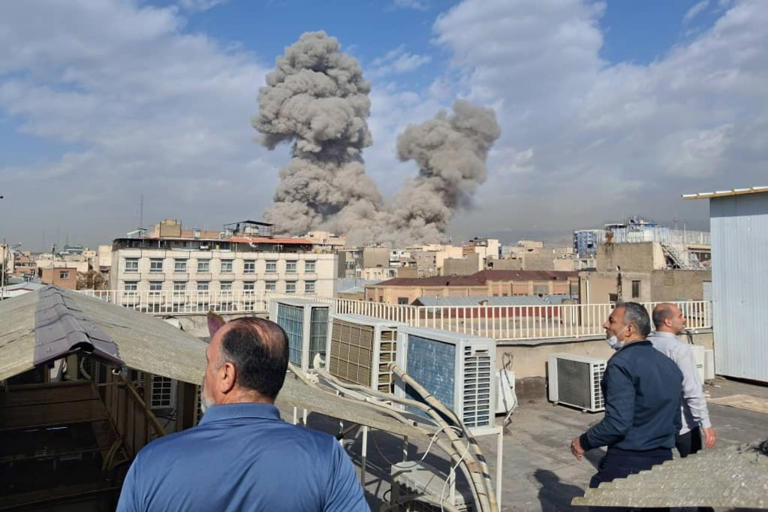
While the domestic political row intensified, the military reality on the ground remained grim. Operation Epic Fury was launched on February 28, 2026, targeting Tehran, Isfahan, and several other strategic hubs.
| Key Objective | Status |
|---|---|
| Leadership Targets | Reports confirm the death of Ayatollah Ali Khamenei and several IRGC commanders. |
| Nuclear Facilities | Precision strikes reported on enrichment sites in Natanz and Qom. |
| Regional Response | Iran has retaliated with missile volleys toward Israel and U.S. assets in the Persian Gulf. |
U.S. Defense Secretary Pete Hegseth described the mission as the “most complex and precision aerial operation in history,” aimed at dismantling Iran’s nuclear capabilities and forcing a regime change.
A Look Ahead: Regional Instability
The escalation has split the international community and the U.S. Congress. While Republican leaders have hailed the strikes as a “victory for the free world,” progressive lawmakers and groups like CAIR (Council on American-Islamic Relations) have warned of a “destabilizing and unconstitutional” war.
As Iran enters a 40-day mourning period for its Supreme Leader, an interim leadership council headed by Ali Larijani is expected to take control. Meanwhile, the U.S. military remains on high alert for further retaliatory strikes across the “Axis of Resistance.”