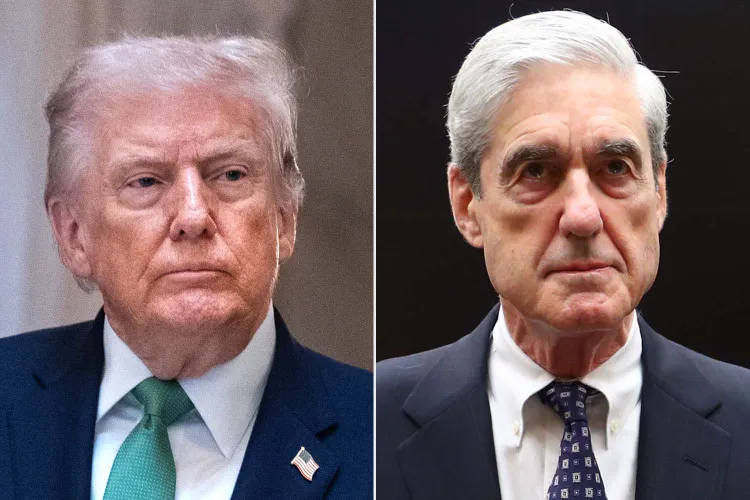

Robert S. Mueller III, the decorated Vietnam veteran and former FBI Director who navigated the Bureau through the aftermath of the September 11 attacks and later led the high-stakes special counsel investigation into Russian election interference, died Friday, March 20. He was 81.
His family confirmed the news in a statement Saturday, requesting privacy. While a specific cause of death was not disclosed, Mueller’s family revealed in 2025 that he had been battling Parkinson’s disease since 2021. The diagnosis ultimately led to his retirement from legal practice and public life.
Mueller’s career was defined by a rigid adherence to institutional protocol and a “straight-arrow” reputation. A graduate of Princeton and the University of Virginia School of Law, he served as a Marine officer in Vietnam, earning a Bronze Star and a Purple Heart. He often cited his survival in combat as the driving force behind his lifetime of public service.
Before leading the FBI, Mueller rose through the Department of Justice, overseeing the prosecutions of Panamanian dictator Manuel Noriega and Gambino crime boss John Gotti.
:max_bytes(150000):strip_icc():focal(770x388:772x390):format(webp)/Robert-Mueller-FBI-Headquarters-090825-b291660eba8b43048ec8e415e6ff28a8.jpg)
Appointed by President George W. Bush, Mueller took office as FBI Director just one week before the 9/11 terrorist attacks. He is credited with transforming the Bureau from a traditional law enforcement agency into a primary intelligence-driven counterterrorism organization. His leadership was so highly regarded that President Barack Obama secured a rare two-year term extension for him, which the Senate granted unanimously.
In 2017, Mueller was pulled from private life to serve as Special Counsel investigating ties between Donald Trump’s 2016 campaign and the Russian government. For two years, Mueller became the silent center of a political firestorm.
His 448-page final report concluded that while the Russian government interfered in the election to benefit Trump, the investigation did not establish a criminal conspiracy between the campaign and Moscow. Notably, Mueller declined to reach a conclusion on whether Trump obstructed justice, famously stating that while his report did not conclude the president committed a crime, “it also does not exonerate him.”
:max_bytes(150000):strip_icc():focal(589x0:591x2):format(webp)/Robert-Mueller-Marine-090825-b7268f5185044ae7ac38a428f39b41d1.jpg)
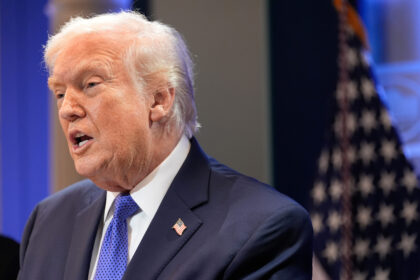
The news of Mueller’s passing drew sharp contrasts in reaction. The FBI issued a statement praising him as a “lifelong public servant” who strengthened national security. Conversely, President Donald Trump—who frequently attacked Mueller during the investigation—responded on Truth Social, stating he was “glad” Mueller had passed.
Mueller spent his final years teaching at the University of Virginia School of Law before Parkinson’s-related mobility issues forced his full retirement in late 2022. He is survived by his wife, Anne, their two daughters, and three grandchildren.