
The White House has, for the first time, acknowledged reports surrounding a series of deaths and disappearances involving at least 10 scientists and officials allegedly connected to U.S. nuclear and space research—offering a cautious response that has drawn criticism from lawmakers and the public.
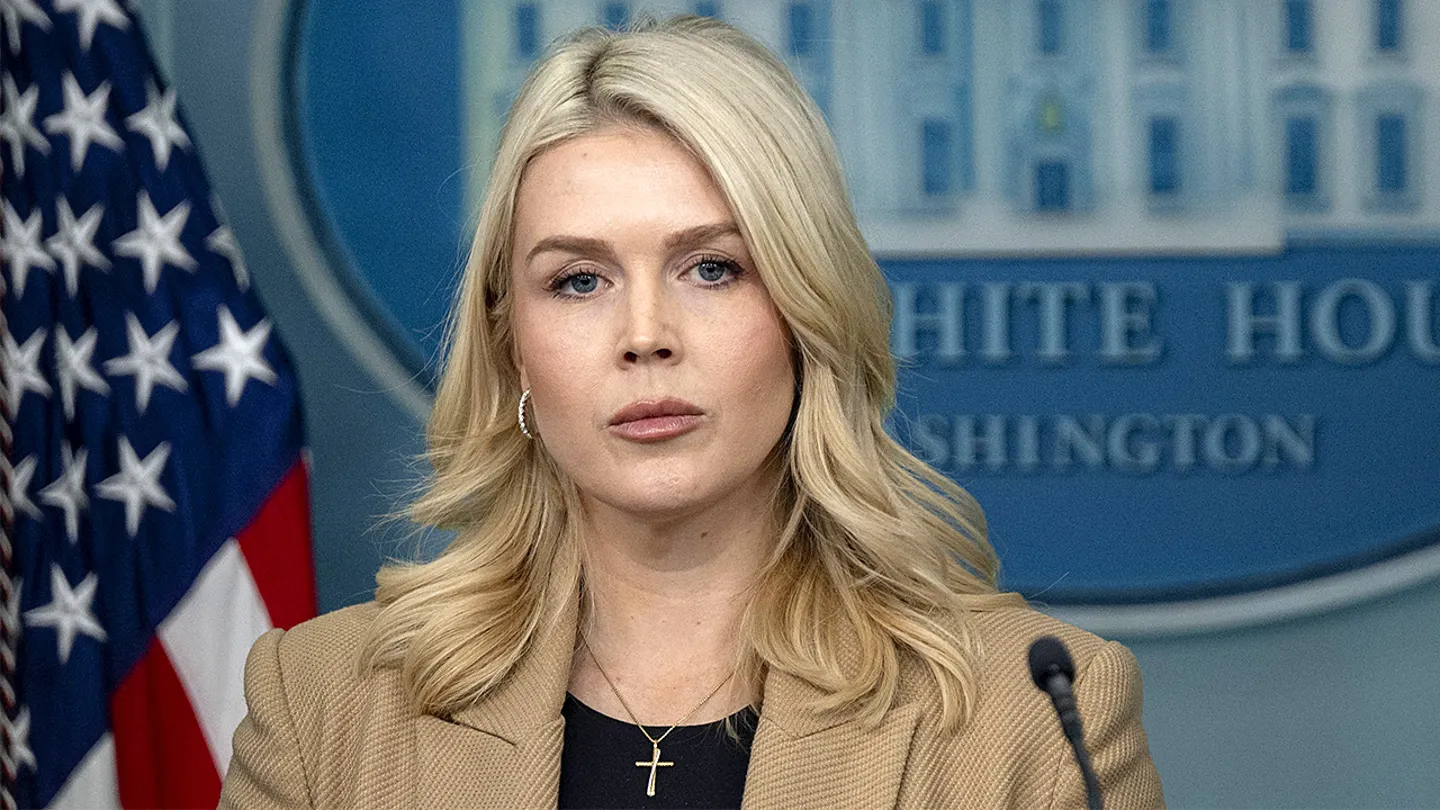
During a Wednesday press briefing, Press Secretary Karoline Leavitt said she had not yet consulted intelligence agencies about the cases. “I haven’t spoken to our relevant agencies about it. I will certainly do that, and will get you an answer,” she said. She added that if the claims prove accurate, they would warrant serious government attention.
The remarks mark the administration’s first public acknowledgment of the reports but stopped short of confirming any investigation or coordinated federal response.
Among the most prominent cases is retired Air Force General William Neil McCasland, who vanished on February 27 from his home in New Mexico. According to emergency call records, he left without essential items such as his phone or glasses and was reportedly carrying a pistol. His wife told dispatchers he appeared to be trying “not to be found.”
Independent investigators have linked McCasland’s disappearance to several similar cases reported between May and August 2025. These include individuals involved in advanced scientific and defense-related work who reportedly left their homes abruptly, often abandoning personal belongings.
One case involves a NASA-affiliated researcher who disappeared during a hiking trip in California. Another concerns an official tied to nuclear component production who was last seen leaving his residence under unclear circumstances. Authorities have released limited updates, fueling speculation and concern.
Separate from the disappearances, at least five scientists connected to high-level research programs have died since 2023 under varying and, in some cases, unclear circumstances.
Two individuals—a nuclear physicist and an astrophysicist—were fatally shot inside their homes. Others, including researchers linked to major space initiatives at NASA, died under conditions that have not been fully explained publicly. In another case, a pharmaceutical scientist working on cancer treatments was found dead after being reported missing in late 2025.
While independent investigators have speculated about potential links between the victims’ professional work and their deaths, no official agency has confirmed any connection.
Representative Tim Burchett has been among the most vocal critics, saying he has received little clarity from intelligence agencies despite repeated inquiries. He warned that the concentration of cases involving individuals tied to sensitive research areas appears unusually high and deserves immediate scrutiny.
The lack of definitive information has intensified public reaction. Critics have accused authorities of failing to act with urgency, while some have suggested a possible cover-up—claims that remain unsubstantiated.
To date, no federal agency has publicly confirmed that the cases are connected or indicative of a broader pattern. However, the growing number of incidents involving individuals in sensitive scientific fields has heightened calls for transparency and a formal investigation.
With pressure mounting from lawmakers and the public, the administration now faces increasing demands to determine whether these cases represent isolated incidents—or a deeper, coordinated threat.