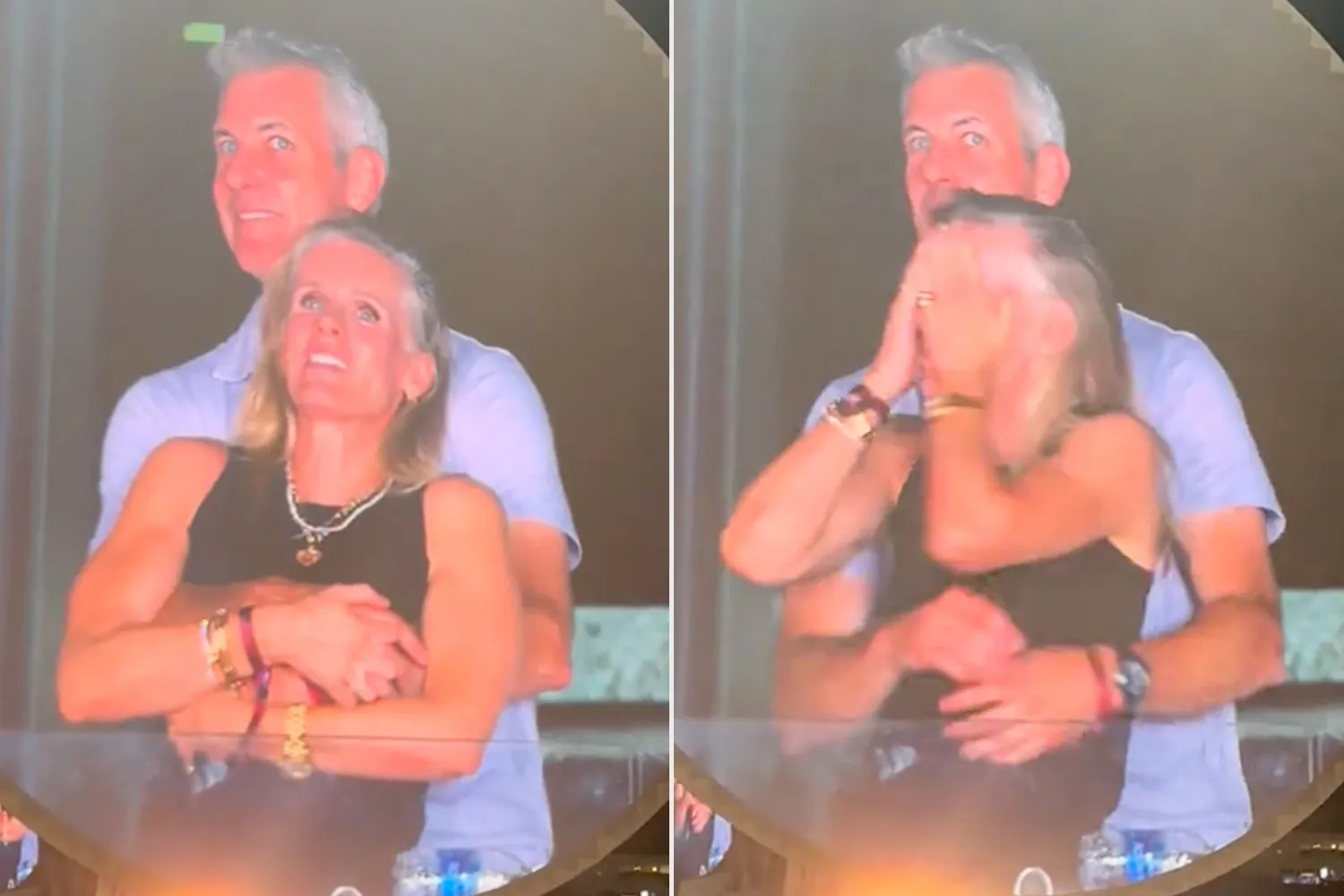

In a candid address following a viral incident that sparked weeks of digital vitriol, the woman at the center of the Coldplay “Kiss Cam” controversy has broken her silence. Her testimony details a stark disparity between the targeted harassment she endured and the relative professional immunity afforded to her counterpart, a high-profile CEO.
The incident occurred during the band’s “Music of the Spheres” world tour, where a brief intimate moment between the two individuals was projected onto stadium screens. Within hours, the footage migrated from the arena to social media, triggering an investigative frenzy by netizens that quickly devolved into personal attacks and “moral policing.”
The Gendered Digital Divide
The participant, whose identity became a lightning rod for social media scrutiny, revealed that the backlash was overwhelmingly one-sided. While she faced a barrage of slut-shaming, doxing, and threats to her personal safety, the male executive involved remained largely insulated from the fallout.
“The internet didn’t just comment; they attempted to dismantle my life,” she stated, noting that the narrative focused almost exclusively on her character and appearance. In contrast, she observed that the CEO’s professional stature appeared to serve as a shield, allowing him to navigate the “scandal” without the same degree of character assassination.
Patterns of Modern Shaming
This discrepancy highlights a persistent trend in digital “cancel culture.” Journalistic analysis of the event suggests that public shaming often follows predictable, gendered lines:
- Targeted Harassment: Women are disproportionately subjected to “morality-based” attacks.
- Professional Insulation: High-ranking male professionals frequently maintain their status, as the public separates their private actions from their corporate identities.
- Privacy Erosion: The incident underscores the risks of public-event “cams” in an era where anonymity is non-existent.
The fallout has reignited a national conversation regarding privacy at public events and the ethics of viral shaming. While the CEO has largely returned to business as usual, the woman involved continues to advocate for a shift in how digital audiences distribute accountability.
The case serves as a high-profile example of how “viral moments” are rarely experienced equally, with gender and professional power often dictating who survives the court of public opinion and who is left to pick up the pieces.