
In a decision that threatens to dismantle the legal immunity long enjoyed by Big Tech, a Los Angeles jury on Wednesday found Meta and YouTube liable for negligence regarding the addictive nature of their platforms. The verdict marks the first time social media giants have been held legally responsible for the mental health crisis affecting American youth.
The jury of 12 determined that the companies’ operational choices and design features directly harmed the plaintiff, a 20-year-old California woman identified as “KGM.” Meta and YouTube were ordered to pay $3 million in compensatory damages, with Meta—the parent company of Instagram and Facebook—shouldering 70% of the liability.
This case serves as a “bellwether” trial, a legal litmus test for hundreds of similar lawsuits pending nationwide. For decades, tech titans have used federal shields to avoid liability for content and user impact. This verdict signals a shift toward holding platforms accountable for their product architecture.
The jury further ruled that Meta and Google (YouTube’s parent) are liable for punitive damages due to “malice or fraud.” A separate phase of the trial will determine the total financial penalty, which could reach hundreds of millions of dollars.
The Plaintiff’s Case: “Designed for Distress”
The plaintiff, known as Kaley, alleged she began using YouTube at age six and Instagram at nine. Her legal team argued the platforms’ algorithms functioned like “digital lions” targeting vulnerable children.
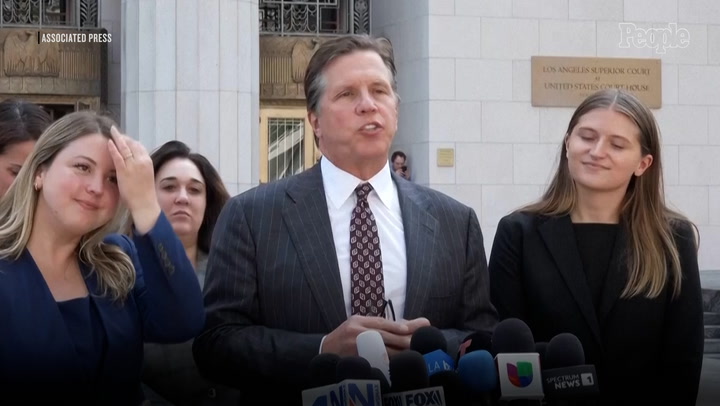
“The jury has affirmed what professionals have warned for years,” said Matthew Bergman, an attorney for KGM. “The design of social media platforms poses a clear and present danger to America’s children.”
Expert testimony from therapist Victoria Burke linked KGM’s 2019 diagnosis of social phobia and body dysmorphic disorder directly to her social media consumption.
Tech Giants Mount Defiance
Despite the verdict, both companies signaled they would appeal. Their defense centered on the complexity of mental health and the distinction between “problematic use” and clinical addiction.
- Meta’s Stance: CEO Mark Zuckerberg previously testified that he does not “maximize time spent” at the expense of user well-being. Meta’s official statement argued that “teen mental health is profoundly complex and cannot be linked to a single app.”
- YouTube’s Defense: Attorney Luis Li compared the platform to a “toy a child liked and then put down,” arguing that YouTube is a streaming service rather than a social media site.
Broader Legal Reckoning
The Los Angeles verdict follows another devastating blow to Meta in New Mexico, where a jury recently awarded $375 million over the company’s failure to protect children from sexual exploitation.
As punitive damages loom in California, the tech industry faces a new reality: the “addictive” features once hailed as innovations are now being treated by the courts as dangerous defects.