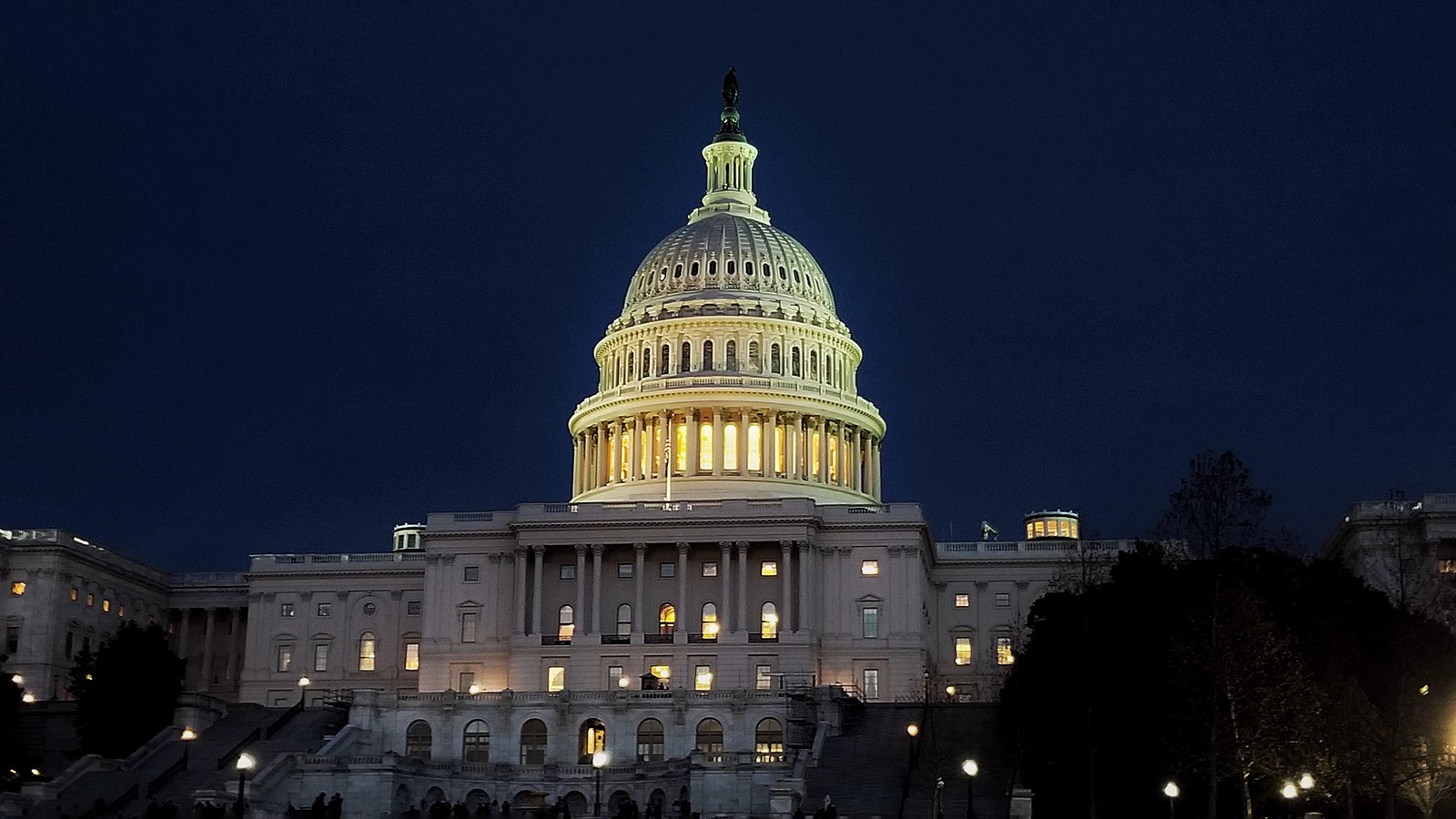

A historic wave of departures is sweeping through the U.S. Capitol as 66 members of Congress have officially announced they will not seek re-election in 2026. This exodus, the largest in over three decades, signals a massive institutional shift that threatens to reshape the balance of power in a razor-thin House and a volatile Senate.
The current tally includes 55 members of the House of Representatives and 11 U.S. Senators. The departures are heavily weighted toward the Republican conference, where 35 House members and 7 Senators are stepping aside—a trend analysts suggest reflects deepening “midterm anxiety” and internal frustration within the GOP’s narrow majority.
A Drain of Institutional Knowledge
The 2026 cycle marks the end of an era for some of the most powerful figures in modern American politics. Among those retiring from public office are former Speakers and party stalwarts, including:
- Rep. Nancy Pelosi (D-CA) and Rep. Steny Hoyer (D-MD), the former Democratic leadership duo.
- Sen. Mitch McConnell (R-KY) and Sen. Dick Durbin (D-IL), long-serving titans of the Senate.
“We are witnessing a wholesale clearing of the old guard,” said a senior congressional analyst. “When you lose this much ‘institutional memory’ at once, the learning curve for the 120th Congress will be steep, and the risk of procedural chaos is high.”
The “Governor’s Mansion” Pipeline
While 28 members are retiring into private life, nearly half of the departing lawmakers are eyeing higher office. The 2026 cycle has turned the House into a primary pipeline for state-level leadership:
- 16 House members (7 Democrats, 9 Republicans) are launching bids for the U.S. Senate.
- 10 Republicans have announced runs for Governor, including high-profile figures like Rep. Byron Donalds (R-FL) and Rep. Nancy Mace (R-SC).
- Rep. Chip Roy (R-TX) is vacating his seat to run for Texas Attorney General.
Frustration and Forecasts
Investigative data highlights three primary drivers behind the spike: burnout, age, and redistricting. The median age of retiring members is 68 for the Senate and 67 for the House, reflecting a “gerontocracy” finally yielding to a younger generation.
However, the partisan breakdown is the most telling statistic. With 63% of House retirees coming from the Republican side, Democrats see a clear opening to reclaim the lower chamber. Forecasters at The Cook Political Report and Ballotpedia note that while many departing seats remain “Safe,” the sheer volume of open-seat races—particularly in toss-up districts held by retiring moderates like Rep. Don Bacon (R-NE)—significantly lowers the barrier for a Democratic takeover.
As the June filing deadlines approach, the number of departures could still climb, further destabilizing a Congress already defined by historic polarization.