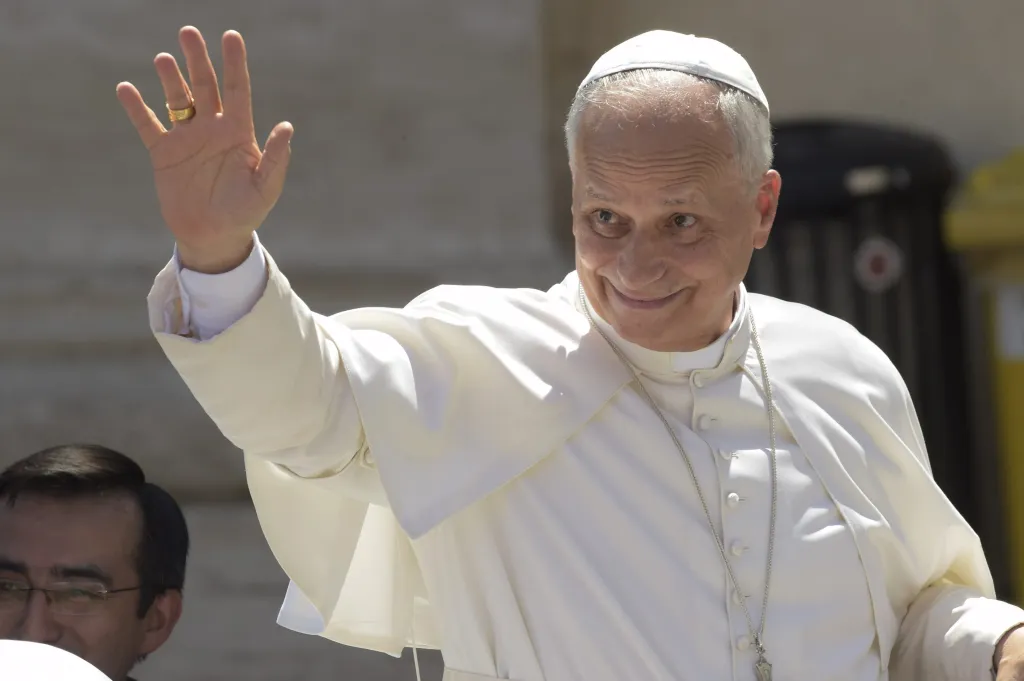

Pope Leo XIV has issued a sharp rebuke of skyrocketing executive compensation, signaling that the widening chasm between global elites and the working class poses an existential threat to social stability. In a landmark interview, the pontiff specifically targeted Tesla CEO Elon Musk’s trajectory toward becoming the world’s first trillionaire as a primary example of “egregious” executive excess.
The Pope’s comments, delivered to the Catholic news outlet Crux, highlight a radical shift in corporate structure. While mid-20th-century CEOs typically earned four to six times the salary of their average employee, modern ratios have soared to more than 600-to-1.
“If [wealth] is the only thing that has value anymore, then we’re in big trouble,” the 70-year-old pontiff warned, questioning the moral and economic implications of Musk’s recent $1 trillion performance-based pay package approved by Tesla’s board.
The 632:1 Divide
The Vatican’s concerns align with recent data from the Institute for Policy Studies (IPS). An analysis of 100 S&P 500 corporations with the lowest median wages reveals a stark disparity:
- Average CEO Compensation (2024): $17.2 million
- Median Worker Pay: $35,570
- Current Ratio: 632 to 1
This wage stagnation persists even as billionaire wealth surged three times faster in 2024 than the previous year. According to Oxfam, the top 1% of earners have increased their collective wealth by $34 trillion over the last decade—a sum theoretically capable of eradicating global poverty 22 times over.
Philanthropy or Accounting?
The investigation into extreme wealth also casts a shadow over the “Giving Pledge,” the 2010 initiative founded by Warren Buffett and Bill and Melinda French Gates. While signatories commit to donating the majority of their wealth, current records suggest a significant gap between promise and practice.
Of the 256 billionaires who signed the pledge, only nine have fully discharged their commitments. Investigative findings suggest that even when funds are “donated,” they often remain insulated within private foundations rather than reaching frontline charitable organizations. Data indicates that approximately 80% of the $206 billion pledged by original 2010 members—roughly $164 billion—is currently held in these intermediaries.
While representatives for the Giving Pledge argue the IPS report misinterprets the “spirit and intent” of the signatories, they acknowledged that the organization continues to face questions regarding the actual pace and impact of billionaire philanthropy.
As figures like Oracle’s Larry Ellison see record-breaking single-day gains—Ellison’s net worth recently jumped $89 billion in 24 hours—the pressure on the “ultrarich” to address systemic inequality continues to mount from both secular and religious authorities.