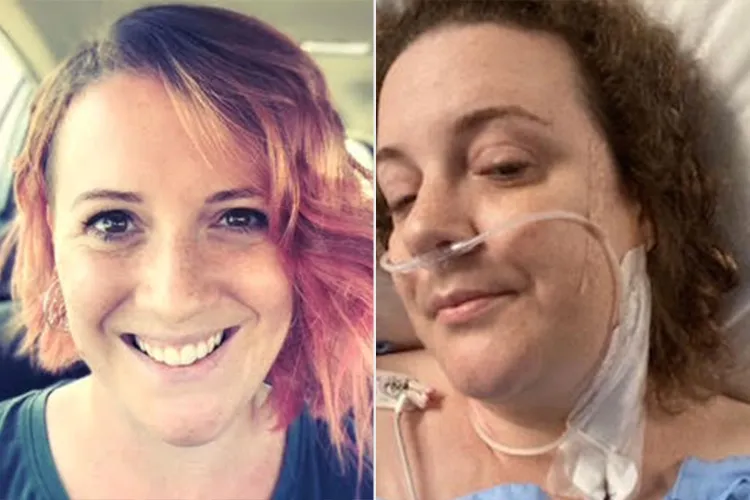

Ashleigh Smith, a 36-year-old mother of two, spent years navigating a labyrinth of medical dismissals before receiving a life-altering diagnosis: one of the world’s rarest cancers. What practitioners previously attributed to anxiety and minor physical strain was eventually identified as bilateral carotid body tumors, a form of neuroendocrine cancer known as paraganglioma.
A Pattern of Dismissal
For years, Smith sought relief for a debilitating array of symptoms, including heart palpitations, chronic exhaustion, and widespread physical pain. Her search for answers led her to a gauntlet of specialists—general practitioners, chiropractors, osteopaths, and dietitians.
Despite her persistence, medical professionals repeatedly “explained away” her condition. Her sleep disturbances were labeled as anxiety, and chronic migraines were dismissed as “neck headaches” from prior whiplash. It was not until Smith discovered a lump in her neck that a physician ordered the ultrasound that finally revealed the malignancy.
:max_bytes(150000):strip_icc():focal(665x0:667x2):format(webp)/Ashleigh-Smith-032726-3-09fca979ad8e43bb93fbb93e1fc76fcf.jpg)
A Rare and Advanced Malignancy
The diagnosis proved more severe than initially suspected. While carotid body tumors are rare, Smith’s case is bilateral, occurring on both sides of the neck. Further testing confirmed the cancer had already metastasized to her lymph nodes and spine.
“I found out this type of cancer is very slow-growing, and that I likely had it for decades,” Smith stated. “I felt angry that it hadn’t been picked up sooner.”
:max_bytes(150000):strip_icc():focal(665x0:667x2):format(webp)/Ashleigh-Smith-032726-5-c68d3fe8d3de4778a73c4ffdfcce77c5.jpg)
The High Cost of Survival
The financial and physical toll on the Smith family has been exhaustive. To cover the soaring costs of specialist visits and diagnostic scans, Smith and her husband performed food delivery services in the evenings and on weekends, even as her health declined.
Her clinical journey has been grueling:
- November 2025: Surgery to remove the right-side tumor; Smith returned to work just 10 days later due to a lack of paid leave.
- January 2026: Completion of palliative radiation intended to manage pain and arrest tumor growth, as the condition is currently considered incurable.
- February 2026: A secondary surgery complicated by a high risk of losing speech and swallowing functions.
:max_bytes(150000):strip_icc():focal(749x0:751x2):format(webp)/Ashleigh-Smith-032726-7-d26d001ea15d4f63b06907ac2d5b6ec4.jpg)
The Path Forward
Currently unemployed and facing a future of “palliative” management, Smith’s daily life is dictated by migraines, nausea, and mobility issues. Despite the collapse of her career and financial stability, she remains a vocal advocate for patient self-advocacy.
“Live in your body, so you know it better than anyone else,” Smith advised. “Don’t just blindly believe medical professionals… don’t be afraid to get a second opinion.”